

Introduction
Morality and ethics are two terms that are often used interchangeably, but they do have distinct meanings. Morality refers to an individual’s own principles that guide their behavior, while ethics refer to the broader social rules and norms that regulate behavior in a particular context. In this essay, we will explore the differences between these two concepts, how they relate to spiritual power, and the role of the mind in shaping our moral and ethical choices.
The Difference between Morality and Ethics
Morality is an individual’s own set of principles that guides their behavior. It is often based on personal beliefs and values that are developed through experiences, culture, and upbringing. These principles are directed by conscience and are formulated to distinguish between right or wrong, good or bad. The faculty of the mind has the power to choose between these options, and morality is a method to assist the human mind to evaluate its choices and actions. However, each person’s moral code has to be within the framework of external rules or ethical code provided by the society he or she lives in.
Ethics, on the other hand, refer to the broader social rules and norms that regulate behavior in a particular context. Different professions like lawyers, doctors, policemen, etc., will have to follow separate ethical systems or rules laid down for them. Each one’s conscience may not agree with all these rules. For instance, a lawyer’s professional code means he has to defend even criminals, whereas his conscience may not agree to it. A doctor may personally believe in euthanasia for his dying patient, but society has laid down different norms on the issue. So the dilemma continues.
Following the ethical code laid down by society does not necessarily mean a person is moral. He may be a good citizen, yet an abusive son, husband, or father. His own morality is lacking. On the other hand, a moral person, treating his own family with love and respect, can easily slip into another role in his workplace, ill-treating his co-workers, disrespecting his seniors, and being generally unethical. One also often sees how some people treat their helpers in a degrading and supercilious manner.
The Role of Mind in Shaping Moral and Ethical Choices
The mind is primarily designed to separate its psychic energy into dualities and dichotomies, to experience and realize what life is all about. This is the job of the mind, to decipher between moral and amoral, for if one was not there, the need of the other would vanish. Like if the devil were not there, why would we need God? Hence, we are required to be conscious of what we choose and experience. This series of experiential realization gives rise to what we call consciousness via the medium of awareness.
Spirituality demands mindful observance for awareness, not analysis for decisions. Then yes, the need for dual thinking will reduce. There would be oneness instead of mind separating into this or that. However, we cannot live our material lives without making choices at every step. Animals not having this distinguishing power of choice are thus unaware of ethics or morality.
The Need for Harmony between Morality, Ethics, and Spiritual Power
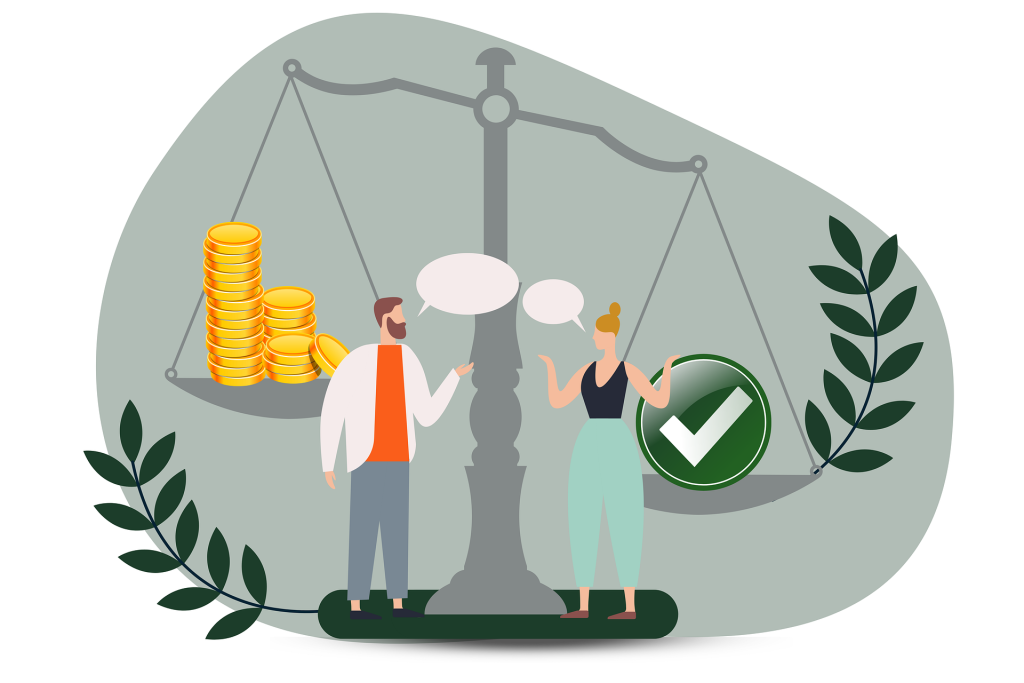
Therefore, as I see it, and I suppose you will agree, ethics and morality (Spiritual Power) have to go side by side with our consciousness, in harmony unless one wishes to lead a life of isolation, totally cut off from the rest of humanity. It is essential to understand that both morality and ethics are necessary to lead a meaningful life. While morality helps an individual develop a personal code of conduct that reflects their values and beliefs, ethics help them understand the broader social norms that govern behavior in a particular context.
Spirituality and the Mind
Spirituality demands that the mind should be used more in observance and watching, in order to make the mind aware and conscious, rather than analyzing and choosing between this and that. Then, the need for dual thinking will reduce, and there would be oneness instead of the mind separating into this or that. However, our material life for a human being cannot be lived without making choices at every step. Animals, not having this distinguishing power of choice, are thus unaware of ethics or morality.
The Role of Morals and Ethics in Society
Each person’s moral code has to be within the framework of external rules or ethical code provided by the society they live in. Following the ethical code laid down by society does not necessarily mean a person is moral. He may be a good citizen, yet an abusive son, husband, or father. His own morality is lacking. On the other hand, a moral person treating his own family with love and respect can easily slip into another role in his workplace, ill-treating his co-workers, disrespecting his seniors, and being generally unethical. One also often sees how some people treat their helpers in a degrading and supercilious manner.

Different professions like lawyers, doctors, policemen, etc., will have to follow separate ethical systems or rules laid down for them. Each one’s conscience may not agree with all these rules. For instance, a lawyer’s professional code means he has to defend even criminals, whereas his conscience may not agree to it. A doctor may personally believe in euthanasia for his dying patient, but society has laid down different norms on the issue. So, the dilemma continues.
The Purpose of the Mind in Morality
The mind is primarily designed to separate its psychic energy into dualities and dichotomies to experience and realize what life is all about. This is the job of the mind: to decipher between moral and amoral, for if one was not there, the need of the other would vanish. Like if the devil were not there, why would we need God? Hence, we are required to be conscious of what we choose and experience. This series of experiential realizations gives rise to what we call consciousness via the medium of awareness.
Spirituality and Ethics
Therefore, as I see it, and I suppose you will agree, ethics and morality (spiritual power) have to go side by side with our consciousness, in harmony, unless one wishes to lead a life of isolation, totally cut off from the rest of humanity. It is possible to integrate spirituality and ethics into our daily lives by practicing mindfulness and conscious decision-making.
Mindfulness is the practice of being present and aware of one’s thoughts, feelings, and surroundings. By being mindful, we can observe our thoughts and emotions without reacting to them. This can help us make more conscious decisions, rather than acting on impulse or habit. By consciously choosing our actions, we can align our behavior with our moral and ethical principles.
Conscious decision-making involves considering the consequences of our actions before we act. It is easy to act impulsively, without considering how our actions might affect others or ourselves. By consciously considering our choices, we can avoid making choices that may harm others or ourselves. This is especially important for professionals who may face ethical dilemmas in their work.
Moral Code and Society’s Ethical Standards
Each individual possesses their own set of morals which are developed through their life experiences, upbringing, and personal beliefs. These principles serve as a guide to distinguish between right and wrong, good and bad. The human mind has the power to make choices, and a person’s moral code assists in evaluating these choices and actions. However, an individual’s moral code must also align with the external rules or ethical code provided by the society they live in.
Professionals in various fields, such as lawyers, doctors, and policemen, are expected to follow specific ethical systems or rules that are established for their profession. These codes may conflict with an individual’s personal beliefs, causing a moral dilemma. For example, a lawyer may have to defend a criminal even if their conscience disagrees, or a doctor may believe in euthanasia for their dying patient while the society’s norms differ. Thus, following society’s ethical code does not guarantee that a person is moral.
Personal Morality vs Professional Ethics
A person may be a good citizen but lack personal morality, treating their family poorly while being respectful to others in society. Conversely, a moral person who treats their family with love and respect may exhibit unethical behavior in the workplace, such as mistreating colleagues and disrespecting superiors. This contradiction highlights the need for morality and ethics to work in harmony, as they are interconnected and interdependent.

Role of Mind in Developing Morality and Ethics
The mind plays a crucial role in distinguishing between moral and amoral behavior. It separates psychic energy into dualities and dichotomies to comprehend and experience life fully. The mind’s job is to differentiate between good and bad, right and wrong, and moral and immoral behavior. Without this ability, the need for moral and ethical behavior would be obsolete.
The human mind needs a moral code of values to make conscious choices, analyze actions, and understand consequences. This series of experiential realizations leads to consciousness via awareness. However, spirituality emphasizes using the mind in observance and watching rather than analyzing and choosing between good and bad. This shift in mindset reduces the need for dual thinking, resulting in oneness instead of separation into good and bad. However, the material world requires humans to make choices continuously, making it essential to balance morality and ethics with consciousness.
Importance of Morality and Ethics in Society
Morality and ethics are vital for societal development and progress. They promote unity, harmony, and understanding among individuals with different beliefs, cultures, and backgrounds. The absence of morality and ethics leads to chaos, confusion, and mistrust, resulting in social instability.
Moreover, the lack of morality and ethics can lead to the exploitation of vulnerable individuals or groups. For example, treating helpers or workers with disrespect and superiority is morally wrong and ethically unacceptable. Such behavior can create an unhealthy work environment, leading to low morale and decreased productivity.
Conclusion
In conclusion, morality and ethics are different yet interdependent. Morals are personal principles that guide individuals to distinguish between right and wrong, while ethics are external standards that society expects individuals to follow. The mind plays a significant role in distinguishing between moral and amoral behavior, requiring a moral code of values to make conscious choices and understand consequences. Morality and ethics are essential for societal development and progress, promoting unity, harmony, and understanding among individuals.
Also Follow Us On:
- Instagram- https://www.instagram.com/giankumar/
- Twitter- https://twitter.com/giankumar
- Spotify– https://rb.gy/dsiojm


Leave a Reply